
-

-
-
-
-
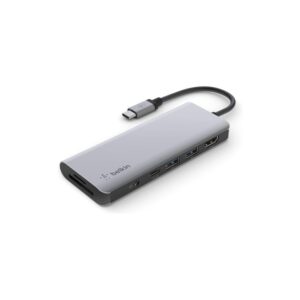
Belkin Adapter - USB-C 7-in-1 HDMI + PD 100W + 2 USB + SD + Mcro SD (AVC009btSGY) ₨ 9,700.00
₨ 9,700.00Remove -
-
-
-
-
-
-
-
-
-
-
-
-
-


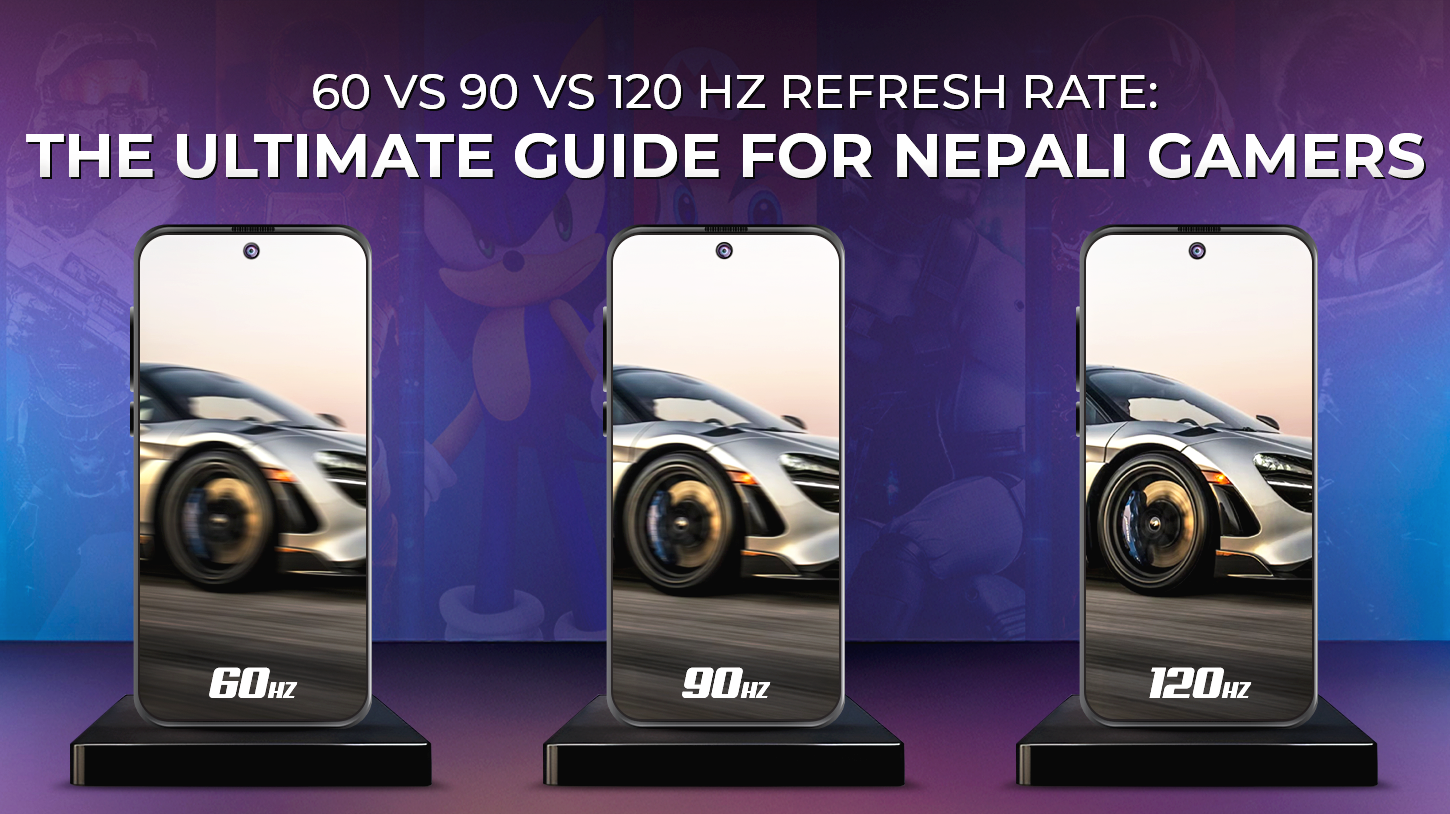
60 vs 90 vs 120 Hz Refresh Rate: The Ultimate Guide For Nepali Gamers
When buying a new smartphone in Nepal, one of the most confusing specs you’ll see is the refresh rate. Some phones offer 60 Hz, others boast 90 Hz, and the premium ones jump all the way to 120 Hz. But what do these numbers actually mean? And which refresh rate is the best for you?
Let’s break it down in a simple, real-life way that matches how Nepalis actually use their phones – from gaming to TikTok to everyday scrolling.
What Is Refresh Rate? (Simplest Explanation)
Refresh rate means how many times your screen updates every second.
- 60 Hz → 60 refreshes per second
- 90 Hz → 90 refreshes per second
- 120 Hz → 120 refreshes per second
Higher refresh rate = smoother animations → more pleasant experience.
You’ll feel the difference when:
✔ Scrolling Facebook, TikTok, Instagram
✔ Switching between apps
✔ Gaming
✔ Watching animations
Now let’s compare all three refresh rates in real Nepali usage.
1. 60 Hz – The Standard Choice (Still Fine for Many Users)
60 Hz is the traditional and most common refresh rate. Most budget smartphones and older models use this display type.
Pros
- Excellent battery life
- Minimal heating
- Very stable performance
- Perfectly fine for social media and casual use
Cons
- Less smooth animations
- Not ideal for gamers
- Feels slow compared to higher refresh rates
- Slight stutter during fast scrolling
Best For:
People who mostly call, scroll, watch videos, and chat
Those who prefer battery life over smoothness
2. 90 Hz – The Balanced Option for Most Nepali Users
90 Hz is becoming the new “sweet spot.” It offers a smooth experience without destroying your battery life.
Pros
- Noticeably smoother than 60 Hz
- Better transitions and animations
- Good for casual and mid-level gaming
- Balanced battery usage
Cons
- Not as fluid as 120 Hz
- Some games do not fully use 90 Hz
- Cheaper processors may struggle at times
Best For:
Students, gamers, multitaskers
Those who want smoothness without paying flagship prices
3. 120 Hz – The Ultra-Smooth Flagship Experience
If you want the best possible smoothness, 120 Hz is unmatched. This is what you’ll find in premium and gaming-focused smartphones.
Pros
- Super-smooth animations
- Best for competitive gaming ( PUBG, Free Fire)
- Very fast touch response
- Makes even simple tasks feel premium
Cons
- Consumes more battery
- Heats up quicker on weaker processors
- Good performance requires a strong chipset
- Usually more expensive
Best For:
Gamers who want the highest FPS
Multitaskers, creators, and power users
Anyone buying mid-range to flagship phones
People who love a “buttery smooth” UI
Gaming Experience in Nepal: Does Higher Refresh Rate Matter?
Here’s the real gaming situation most Nepalis face:
| Game | 60 Hz | 90 Hz | 120 Hz |
| PUBG | Playable | Smoother | Best if your phone supports it |
| Free Fire | ✔ | ✔ | ✔ |
| COD Mobile | ✔ | ✔ | Limited 120 FPS support |
| Genshin Impact | ✔ | ✔ | Capped at 60 FPS |
A jump from 60 Hz → 90 Hz is clearly noticeable.
A jump from 90 Hz → 120 Hz feels amazing – but only if your phone has a powerful processor and the game supports high FPS.
Battery Life & Heating: The Real Differences
This is where Nepal’s climate plays a role, especially in hotter areas like Terai.
- 60 Hz → Best battery life
- 90 Hz → Balanced, ideal for daily use
- 120 Hz → Faster drain + may heat more during gaming
Phones with mid-range processors struggle the most at 120 Hz.
Which Refresh Rate Should You Choose? (Simple Guide)
Choose 60 Hz if:
✔ You want the best battery life
✔ Your usage is light (social media, calls, videos)
✔ Your budget is low
✔ You don’t care about extreme smoothness
Choose 90 Hz if:
✔ You want good smoothness at a fair price
✔ You do casual to moderate gaming
✔ You want good battery + good performance
✔ You use TikTok, Instagram, Facebook a lot
Choose 120 Hz if:
✔ You are a gamer
✔ You want the absolute best smoothness
✔ You have a mid-range or flagship processor
✔ You don’t mind a bit more battery drain
Final Verdict: What’s Best for Nepali Users?
For most people in Nepal, 90 Hz is the perfect middle ground – smooth, affordable, and battery-friendly.
But if you want a premium experience or gaming advantage, 120 Hz feels fantastic and is worth the upgrade.
Still, if battery life and budget matter more to you, 60 Hz is still perfectly usable in 2025.
Feel free to get in contact with us.
You can also read our other Blogs Here!You can also connect with us on: Facebook, Instagram, YouTube, LinkedIn and Tiktok!
Add a review
Your email address will not be published. Required fields are marked *